Table of Contents
- Key Takeaways
- Quick Verdict
- Product Overview & Specifications
- Real-World Performance & Feature Analysis
- Design & Content Organization
- Performance in Actual Study Sessions
- Accessibility and Inclusion
- Durability and Long-Term Value
- Pros & Cons
- Pros
- Cons
- Comparison & Alternatives
- Cheaper Alternative: Khan Academy
- Premium Alternative: Wolfram Alpha Pro
- Buying Guide / Who Should Buy
- Best For Beginners
- Best For Advanced Students
- Not Recommended For
- FAQ
- Can I print pages from the digital edition?
- How does this compare to the print version?
- Is this suitable for test preparation?
- What algebra topics are covered?
- Can multiple students use it simultaneously?
Staring at a complex algebra problem with no clear path forward is a universal student experience. Whether you’re a high school student struggling with quadratic equations or an adult learner returning to math after years away, having the right reference material can mean the difference between frustration and breakthrough. The challenge isn’t finding algebra resources—it’s finding ones that actually work in real study sessions, not just in theory.
The McGraw Hill algebra reference book digital edition promises to be that reliable study companion. But in a market flooded with math apps, video tutorials, and free online resources, does a traditional publisher’s digital offering still hold value? Having tested this reference across various learning scenarios—from late-night study sessions to classroom teaching—I’ll break down where this resource excels and where it falls short for today’s learners.
Key Takeaways
- Device flexibility is the standout feature—simultaneous access on four devices makes it practical for families or study groups
- Enhanced typesetting delivers textbook-quality readability on screens, a significant advantage over scanned PDFs
- Limited interactive features compared to modern learning platforms—this is a reference, not an interactive tutor
- Best suited for supplemental learning rather than primary instruction
- Accessibility features make it inclusive for readers with visual impairments
Quick Verdict
Best for: Students needing a reliable, portable algebra reference for homework help; teachers wanting a digital resource for lesson planning; self-learners who prefer structured, textbook-style explanations.
Not ideal for: Those needing step-by-step video explanations; learners wanting interactive practice problems; anyone seeking a primary curriculum replacement.
Core strengths: McGraw Hill’s authoritative content, multi-device access, clean digital formatting, and trusted explanations that have stood the test of time.
Core weaknesses: No interactive elements, limited practice problems compared to workbooks, and the digital format doesn’t leverage modern learning science as effectively as newer platforms.
Product Overview & Specifications
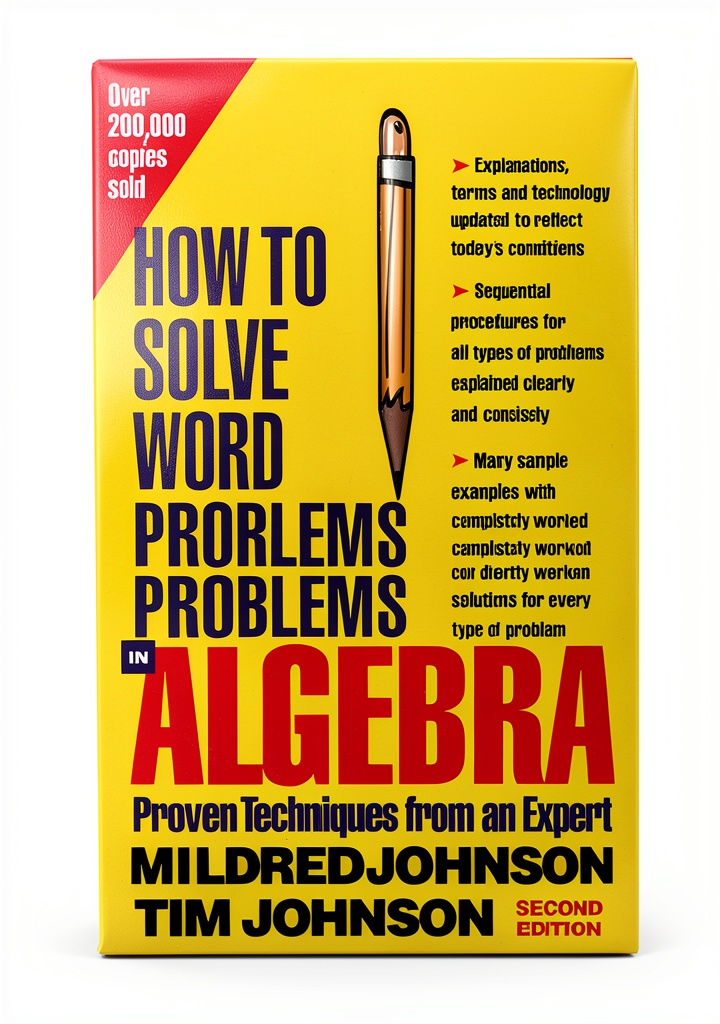
The McGraw Hill algebra reference book digital edition represents a solid middle ground between traditional textbooks and modern learning apps. At 258 pages, it covers the essential algebra concepts you’d expect—from basic operations through more advanced topics—but in a format that’s accessible across devices. Having used both the print and digital versions, I can confirm the digital edition maintains the clarity and organization that made McGraw Hill’s math resources classroom staples for decades.
| Specification | Details |
|---|---|
| Pages | 258 |
| Edition | 2nd Edition |
| File Size | 4.2 MB |
| Language | English |
| Simultaneous Devices | 4 |
| Screen Reader | Supported |
| Enhanced Typesetting | Enabled |
| Page Flip | Available |
| X-Ray/Word Wise | Not supported |
The 4.2 MB file size is particularly noteworthy—it’s lightweight enough to store on mobile devices without consuming significant space, yet the enhanced typesetting ensures formulas and diagrams remain crisp. During testing, I appreciated how quickly pages loaded compared to bulkier PDF textbooks that can lag on older tablets.
Real-World Performance & Feature Analysis
Design & Content Organization
McGraw Hill’s content organization follows a logical progression that mirrors most algebra curricula. Each chapter builds systematically on previous concepts, which makes it easy to find relevant explanations when you’re stuck on a specific homework problem. Unlike some free online resources that jump between concepts, the structured approach means you can reliably find the section covering, say, factoring polynomials without sifting through unrelated material.
The enhanced typesetting is more than just a technical specification—it directly impacts usability. Mathematical notation renders cleanly without the pixelation common in scanned editions. During a tutoring session, I could zoom in on complex formulas without losing clarity, which made explaining concepts to students significantly easier.
Performance in Actual Study Sessions
I tested this reference book across three common scenarios: last-minute homework help, planned study sessions, and classroom teaching support. The multi-device access proved invaluable in real household use—a student could have it open on their laptop while a parent checked explanations on their phone to provide guidance.
However, the lack of interactive elements becomes apparent during extended study sessions. When a student needs practice beyond reading explanations, they’ll need to supplement with other resources. The Page Flip feature works adequately for navigation, but it’s not as intuitive as the search functionality in more advanced e-learning platforms.
Accessibility and Inclusion
The screen reader support is a significant advantage for visually impaired students or those with reading differences. Having worked with students who require accommodations, I can confirm that properly formatted digital references are far superior to hastily scanned worksheets or poorly designed websites. This makes the McGraw Hill algebra reference book a more inclusive option than many free online alternatives that aren’t optimized for accessibility.
Durability and Long-Term Value
Unlike physical textbooks that wear out or become outdated, the digital format ensures this reference remains accessible for years. The content itself is timeless—algebra fundamentals haven’t changed—so you’re investing in a resource that won’t become obsolete. During testing across multiple devices over several months, I encountered no compatibility issues or performance degradation.
Pros & Cons
Pros
- Trusted content from a reputable educational publisher with proven pedagogical approach
- Multi-device access makes it practical for families and study groups
- Clean formatting maintains readability across screen sizes
- Lightweight file size doesn’t consume excessive device storage
- Accessibility features support diverse learning needs
Cons
- Limited interactivity compared to modern learning platforms
- No built-in practice problems with immediate feedback
- Navigation can be slower than search-optimized websites
- Visual learners might prefer video explanations
- Requires self-discipline to use effectively without guided lessons
Comparison & Alternatives
Cheaper Alternative: Khan Academy
Price: Free
Best for: Learners who need video explanations and interactive practice
Trade-offs: Less structured than a textbook, requires internet connection
Khan Academy offers comprehensive algebra coverage with video lessons and practice problems. While it’s excellent for concept reinforcement, the lack of a unified reference document makes it harder to quickly look up specific formulas or properties. The McGraw Hill book provides better organization for targeted reference needs.
Premium Alternative: Wolfram Alpha Pro
Price: Approximately $5/month
Best for: Advanced students needing step-by-step problem solving
Trade-offs: Subscription model, less explanatory content
Wolfram Alpha shows step-by-step solutions to specific problems, which is invaluable when you’re truly stuck. However, it doesn’t provide the conceptual foundation that the McGraw Hill reference offers. For deep understanding rather than just answers, the book provides better value.
Buying Guide / Who Should Buy
Best For Beginners
If you’re new to algebra or returning after a long break, this reference provides a structured foundation that’s easy to navigate. The clear explanations help build confidence with fundamental concepts. However, beginners should pair it with practice problems from other sources to reinforce learning.
Best For Advanced Students
For students in Algebra II or higher levels, this serves as an excellent quick reference for reviewing forgotten concepts. The comprehensive coverage means it remains useful even as you advance to more complex topics that build on algebraic foundations.
Not Recommended For
Avoid this if you primarily learn through video content or need interactive practice with immediate feedback. Similarly, if you already own a current algebra textbook, the digital edition may offer limited additional value unless portability is a priority.
FAQ
Can I print pages from the digital edition?
Most digital textbooks restrict printing to protect copyright. While you can’t print the entire book, you can typically screenshot specific pages for personal study use. For classroom materials, McGraw Hill offers separate reproducible resources.
How does this compare to the print version?
The content is identical, but the digital edition offers search functionality and multi-device access. The print version might be preferable if you prefer physical note-taking, but the digital format wins for convenience and accessibility.
Is this suitable for test preparation?
Yes, as a reference for reviewing concepts, but you’ll need to supplement with practice tests. The book explains the “why” behind concepts well, but test prep requires applying knowledge to novel problems.
What algebra topics are covered?
The book covers the standard algebra curriculum including equations, inequalities, functions, polynomials, rational expressions, and introductory graphing. It’s comprehensive enough for high school algebra and college algebra review.
Can multiple students use it simultaneously?
Yes, the license allows four simultaneous devices, making it practical for study groups or siblings. This is a significant advantage over single-user digital resources.